
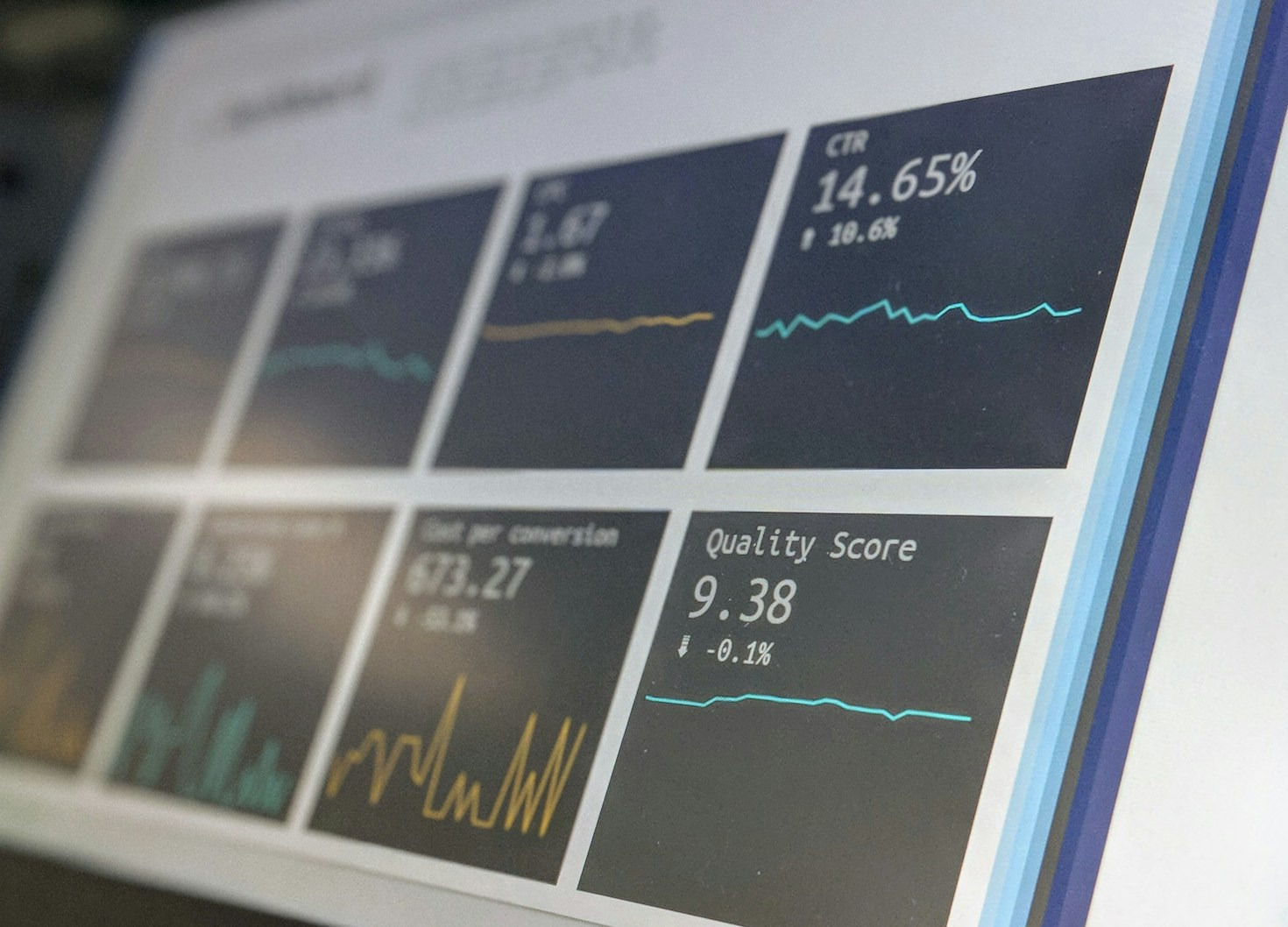
Effective decision-making starts with understanding your data—and that’s where strong data modelling techniques come in. By structuring information in meaningful ways, organisations can uncover patterns, reduce complexity, and gain clearer insights.
Conceptual Modelling for High-Level Clarity
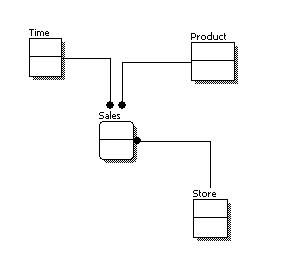
Conceptual models outline the key entities and relationships within a business. They help teams align on the big picture, ensuring everyone understands how data flows across the organisation before diving into technical details.
Logical Modelling for Precision and Structure
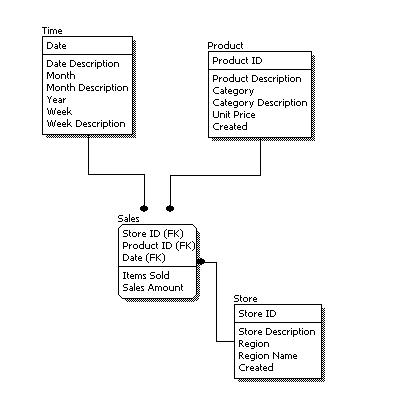
Logical models break data down into attributes, groups, and rules. They define how information should be organised, validated, and related—creating a blueprint for accurate, consistent, and scalable analytics.
Physical Modelling for Real-World Performance
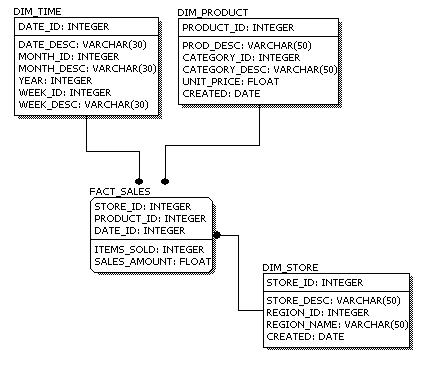
Physical data models translate business requirements into actual database structures. They focus on indexing, storage, and performance optimisation to ensure fast, reliable access to critical data.
Dimensional Modelling for Analytical Insights
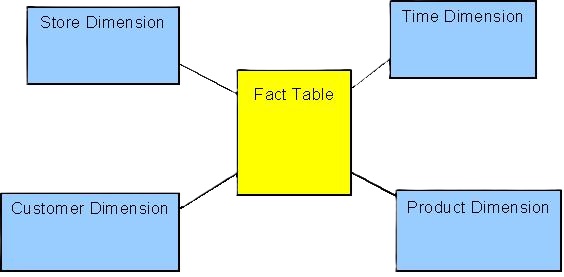
Widely used in BI and reporting, dimensional models (facts and dimensions) make it easy to perform trend analysis, forecasting, and performance tracking. They simplify data for end users while supporting flexible and powerful analysis.
The Takeaway
Strong data modelling isn’t just a technical exercise—it’s the foundation of confident, informed decision-making. With the right techniques, organisations can transform raw data into actionable intelligence.
Leave a Reply